Best Game Room Flooring: Two Materials, Two Places
Use two materials rather than one: rigid-core SPC vinyl plank through walkways and bar areas because it is waterproof and bridges an uneven slab, and commercial carpet tile under the anchor game because it deadens the room and a damaged square lifts out. Order about 10 percent extra for plank and 5 percent for tile, and lay the floor before the table arrives.
Flooring is the item people treat as decorating and that is actually engineering, particularly below grade. A concrete slab is cold, never quite flat, and occasionally damp from underneath through capillary action even when nothing is visibly wet. That single fact eliminates three of the four materials most people consider, and it is why the right answer in a game room is usually two materials in two places rather than one everywhere.
Then commercial carpet tile under the anchor game itself. Work out the quantity for both with the flooring calculator, which adds the correct waste allowance for each material.
Flooring by where it goes

BalanceFrom 1in Interlocking Foam Tiles
Interlocking foam tiles. Soft where children fall, quiet under a game that gets slammed, warm on a slab, and any damaged tile pops out and swaps. In a family room this is not the budget compromise, it is genuinely the correct material.
- Type
- Foam tile
- Thickness
- 1 in
Best for: A family room, a play area, or a temporary layout you might change.

AICLIV 8x10ft Game Room Area Rug
An 8 by 10 ft rug over an existing floor. It kills echo, warms a slab and defines the play area, and it is the single cheapest thing that makes a basement read as a room rather than as a basement.
- Size
- 8 x 10 ft
- Type
- Area rug
Best for: A room where the floor is fine and the atmosphere is not.
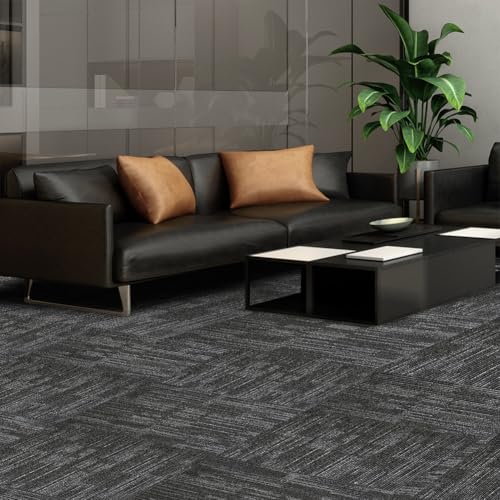
Petgrow 24in Commercial Carpet Tiles, 72 sq ft
Commercial carpet tile at 24 inches square. Carpet under a pool table deadens the room and stops a dropped ball travelling under the sofa, and tile rather than broadloom means a single damaged square lifts out for a few dollars instead of a floor being replaced.
- Tile
- 24 in
- Coverage
- 72 sq ft
Best for: Under a pool table or a shuffleboard, in any room.
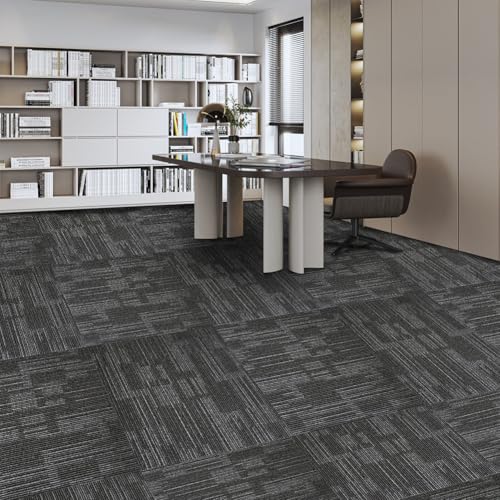
Altruistic Heavy Duty Carpet Tiles, 72 sq ft
A denser commercial tile with a firmer backing, which matters where furniture legs and table feet sit: a soft tile compresses permanently under a table leg and a firm one does not. The same replaceable-square advantage as any tile.
- Tile
- 24 in
- Coverage
- 72 sq ft
Best for: Under heavy equipment that will not move for years.
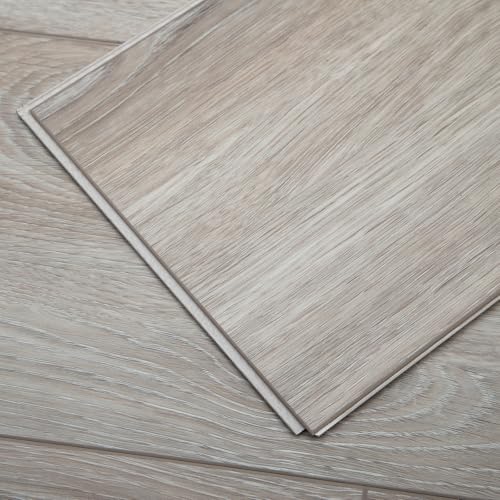
Diflart SPC Click-Lock Vinyl Plank
SPC rigid-core click-lock vinyl plank. Rigid core is the important part: it bridges the small unevenness in a concrete slab rather than telegraphing it, and it is genuinely waterproof rather than water-resistant, so a failed supply line is a mopping job rather than a replacement job.
- Type
- SPC rigid core
- Fitting
- Click lock
Best for: Walkways, bar areas and anywhere below grade.
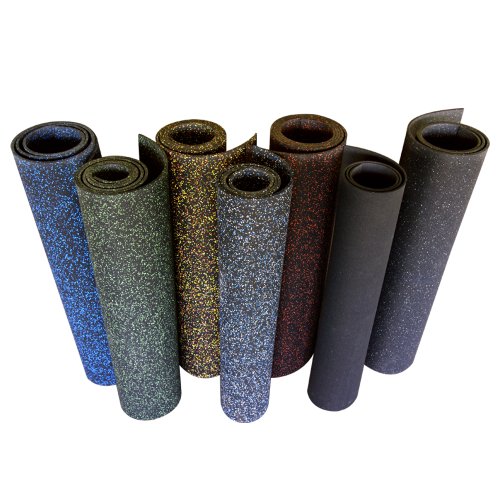
Rubber-Cal Elephant Bark Roll, 4x20ft
A rubber roll that tolerates standing water in a way nothing else here does. Its place in a game room is under a workbench, a dehumidifier and its drain, or a gym corner, rather than across a whole floor.
- Type
- Rubber roll
- Size
- 4 x 20 ft
Best for: The utility half of a basement, or under equipment that drips.
Prices move constantly, so confirm before you order. As an Amazon Associate we earn from qualifying purchases. Where a table is sold only through a manufacturer's own dealer network we say so on the card, and the button searches comparable tables you can order today rather than that exact model.
Which material goes where
| Material | Where it belongs | Below grade | Waste allowance |
|---|---|---|---|
| Rigid-core vinyl plank | Walkways, bar area, whole rooms | Yes, the best common answer | 10% |
| Commercial carpet tile | Under the anchor game | Yes, with a low pile and firm backing | 5% |
| Interlocking foam tile | Family play areas, standing positions | Yes, and it lifts to dry | 5% |
| Rubber roll | Utility corner, under a dehumidifier | Yes, tolerates standing water | 10% |
| Area rug over existing floor | Seating half, echo control | Yes, and it lifts if there is a leak | None |
| Broadloom carpet with pad | Above grade only | No, holds water indefinitely | 10% |
| Solid hardwood | Above grade only | No, moves with humidity | 10% |
The floor goes down before the table arrives. A slate table is levelled on the floor it stands on, so a floor laid afterwards means dismantling the table, laying under it and reinstalling, which is a $250 to $500 job on top of the flooring. Laying a floor around six installed legs is also something nobody does well.
Why rigid core, specifically
Vinyl flooring splits into two families that are sold in the same aisle and behave completely differently. Flexible vinyl, whether sheet or thin planks, follows the surface underneath it, so every dip, ridge and trowel mark in a slab shows through within a year and the plank edges start to show wear along the high points.
Rigid core, meaning SPC with a stone plastic composite core or WPC with a wood plastic composite core, is stiff enough to bridge small unevenness rather than follow it. On a basement slab, which is never flat, that is the difference between a floor that looks right in five years and one that does not. SPC is the denser and harder of the two and the better choice under game room furniture. Full argument in carpet tile against vinyl plank.
Why carpet tile under the table, specifically
- Acoustics. A game room is a hard box with a large solid object in the middle, and the flutter echo makes conversation tiring. Carpet under the table is the single most effective acoustic change available, ahead of panels.
- Dropped balls. A phenolic ball dropped on vinyl plank travels across the room and chips. On carpet it stops.
- Replaceability. One damaged 24 inch square lifts out and swaps for a few dollars. That is the entire argument for tile over broadloom in a room where drinks are carried.
- Backing firmness. Use a commercial tile with a firm backing rather than a soft residential one. A soft backing compresses permanently under 700 to 1,000 lb of table spread across six legs, and the table needs re-levelling.
How much to order
Measure the room, multiply for square feet, and add the waste allowance from the table above. A 12 by 20 ft room is 240 square feet and wants roughly 264 square feet of plank ordered. Two practical points that cost money when ignored.
- Order the whole job at once. Colour varies between production batches, and a patch ordered six months later will not match, which matters most in exactly the situation you would want to patch.
- Keep the offcuts. A box of spare planks or tiles in a cupboard is what makes a damaged square a twenty minute job rather than a floor replacement.
- Acclimate plank before laying. Leave the boxes in the room for 48 hours so the material is at the temperature and humidity it will live at. Skipping this is the usual cause of gaps appearing at the joints a month later.
- Leave an expansion gap at the walls. Click-lock floors float and need room to move. The gap is hidden by the skirting and the floor fails without it.
Quantities and costs for your own room come out of the flooring calculator.
The family room exception
In a room where children play standing up, interlocking foam tile is not the budget compromise, it is genuinely the right material. It is soft where people fall, quiet under a game that gets slammed, warm on a slab, individually replaceable, and it lifts and stores if the room changes. It is also the cheapest option here, which is unusual: normally the correct answer costs more. Pair it with a rug over the seating half so the room has a quiet zone and a play zone. That is what the family buildout uses.
For the below-grade version of all of this, see the basement buildout and the flooring guide.
Frequently asked questions
What is the best flooring for a game room?
Two materials in two places rather than one everywhere. Rigid-core vinyl plank through walkways and the bar area, because it is genuinely waterproof, bridges an uneven slab and takes furniture and traffic. Carpet tile under the anchor game, because it deadens the room and stops a dropped ball travelling, and because a damaged square lifts out instead of a whole floor being replaced. In a family room, foam tile under the play area is a legitimate third answer.
Can you put a pool table on carpet?
Yes, and a great many home tables sit on it. The two things to know are that the installer levels the table on the floor it is standing on, so the carpet must be down before the table arrives, and that a soft carpet with a thick pad allows very slight settling under 700 to 1,000 lb spread over six legs, which is why commercial carpet tile with a firm backing is a better choice than plush broadloom. Never lay carpet around an installed table.
How much flooring do I need for a game room?
Measure the room, multiply for square feet, and add a waste allowance: about 10 percent for plank and roll goods and 5 percent for tiles, which cut with less waste. A 12 by 20 ft room is 240 square feet and wants roughly 264 square feet of plank ordered. Order the whole job at once so it comes from the same production batch, because colour varies between batches.
Is vinyl plank good for a basement?
Rigid-core SPC vinyl plank is the best common answer for a basement, yes. Rigid core bridges the small dips in a concrete slab rather than following them, which flexible sheet vinyl and thin laminate both do within a year. It is waterproof rather than water-resistant, so a burst supply line is recoverable. And it is stable across the temperature and humidity swings that make solid hardwood a poor below-grade choice.
What flooring is quietest for a game room?
Carpet, and by a wide margin, which is why it belongs under the anchor game rather than in the walkways. A game room is acoustically difficult: hard floor, hard ceiling, hard walls and a large solid table in the middle, and the result is a flutter echo that makes conversation tiring. Carpet tile under the table plus a few acoustic panels does more for that than any other change, and it also stops a dropped ball rolling across the room.
Should flooring go down before or after the pool table?
Before, without exception. A slate table is levelled on the floor it stands on, so a floor laid afterwards means the table has to be dismantled, the floor laid under it, and the table reinstalled and re-levelled, which is a $250 to $500 job. Laying flooring around six installed legs is also something nobody does well. Floor first, then the table, then everything else.
Measuring your own room before anything is delivered? The Game Room Layout Planner is the paid version of these pages: 8 printable worksheets you fill in with your own numbers, plus the full PDF, $29.
How we work: we compare published manufacturer dimensions, the governing playing standards for each game, and reviews from owners who live with the equipment. We do not test games in person, and we say so on every page. Clearance figures here are researched guidance for planning a room, not professional advice: measure your own space, and have a slate table delivered, assembled and levelled by an installer rather than moving it yourself.