Best Game Room Lighting: Ambient, Task and Accent
A game room wants about 25 lumens per square foot of ambient light at 3000K to 4000K, on a dimmer, plus separate task lighting over any table. Under an eight foot ceiling use two rows of recessed cans either side of the play area rather than a pendant. Perimeter LED strip is the cheapest change that makes a basement stop reading as a basement.
Lighting is the most underfunded item in most game room budgets and the one with the highest ratio of improvement to cost. It also splits cleanly into three jobs that need three different products: ambient light for the room, task light over whatever is being played, and accent light that stops the room reading as a box. Trying to do all three with one fixture is the mistake.
Work out how many you need from the room area with the lighting calculator, and put them on a dimmer. Then add task light over the table, which is a separate purchase covered in the table light roundup.
Lighting by the job it does
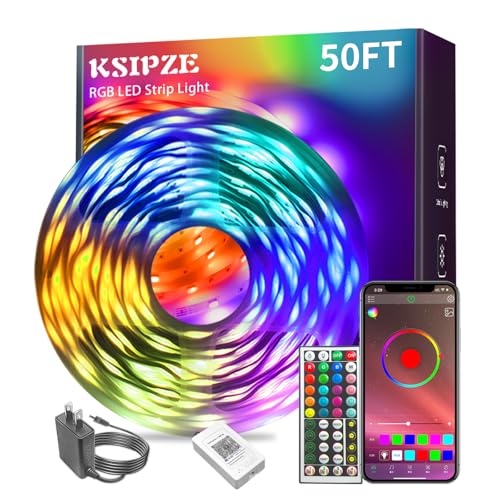
KSIPZE 50ft LED Strip Light
Fifty feet of strip light for the ceiling perimeter or under a bar overhang. Light at the edges of a room is what stops a low ceiling reading as a lid, and nothing else on this page changes the feel of a basement this much for thirteen dollars.
- Length
- 50 ft
- Type
- LED strip
Best for: Every game room, as ambient fill alongside proper overhead light.

hykolity 4ft Linkable LED Shop Light
A linkable 4 ft LED shop light at around five thousand lumens. Not elegant, and it solves the actual problem in an unfinished basement faster than anything else: two of these either side of the play area cancel the body shadow that a single ceiling bulb creates.
- Output
- About 5,000 lm
- Linkable
- Yes
Best for: An unfinished basement, a garage, or the work phase of a build.

Amico 6in LED Recessed Lights, 6-Pack
Six 6 in recessed cans with junction boxes. Recessed lighting adds no height at all, which is the reason it is the correct answer in a basement under about eight feet where a pendant would sit in your eyeline.
- Count
- 6
- Size
- 6 in
Best for: A small room, or any ceiling too low for a hanging fixture.

Ensenior 6in LED Recessed Lights, 12-Pack
Twelve cans with selectable colour temperature, which matters more than it sounds: 4000K reads as a finished rec room and 5000K reads as a garage, and being able to choose after installation rather than before is worth the small premium.
- Count
- 12
- CCT
- Selectable
Best for: The ambient half of the lighting plan in a full size room.

Wellmet 59in 3-Shade Pool Table Light
A 59 in three-shade pendant, which is the correct fixture length for a 7 or 8 ft pool table. This is task lighting rather than decoration: overhead room light sits behind the player and throws a shadow down the shot line, and only a fixture over the table fixes it.
- Length
- 59 in
- Shades
- 3
Best for: Any pool table in a room with eight feet of ceiling.

Kavaas LED Gamer Neon Sign
A neon sign for the arcade wall or over the bar. Entirely unnecessary and it does more for how a game room feels than any piece of furniture at the same price, which is a real argument rather than a joke.
- Type
- LED neon
- Use
- Wall accent
Best for: A finished room that is technically complete and feels flat.
Prices move constantly, so confirm before you order. As an Amazon Associate we earn from qualifying purchases. Where a table is sold only through a manufacturer's own dealer network we say so on the card, and the button searches comparable tables you can order today rather than that exact model.
How much light a room needs
| Room | Sq ft | Relaxed, 20 lm/sqft | Target, 25 lm/sqft | Bright, 30 lm/sqft |
|---|---|---|---|---|
| 10 x 12 ft | 120 | 2,400 lm | 3,000 lm | 3,600 lm |
| 12 x 16 ft | 192 | 3,840 lm | 4,800 lm | 5,760 lm |
| 14 x 18 ft | 252 | 5,040 lm | 6,300 lm | 7,560 lm |
| 16 x 24 ft | 384 | 7,680 lm | 9,600 lm | 11,520 lm |
| 20 x 30 ft | 600 | 12,000 lm | 15,000 lm | 18,000 lm |
A typical 6 in recessed can puts out somewhere around 900 to 1,100 lumens, so a 12 by 16 ft room at the target level wants roughly five to six cans for ambient light. That is the arithmetic behind why a twelve pack covers a full size room with the second half going to the two-row layout over the table.
The three jobs, and what does each one
- Ambient: recessed cans on a dimmer. Even, adjustable, and adds no height. Twelve cans for a full room, six for a small one. The dimmer is not optional if the room will ever watch a film.
- Task: a fixture over the table. A 59 in three-shade pendant for a 7 or 8 ft pool table, hung 30 to 36 inches above the cloth. For a dartboard, a ring light around the board , for exactly the same reason: it removes your own shadow from the target.
- Accent: perimeter strip and signage. Fifty feet of LED strip along a ceiling coffer or under a bar overhang, plus a neon sign if the room is finished and feeling flat. Thirteen and twenty nine dollars respectively, and they carry more weight than the price suggests.
Colour temperature decides whether the room reads as finished. 3000K to 4000K for the room and 3500K to 4000K over a table. 5000K is what makes a carefully finished basement look like a garage, and it is the single most common lighting mistake in this hobby. Choose fixtures with selectable colour temperature where possible, because otherwise correcting it means replacing them.
Low ceilings, which most basements have
A pendant over a pool table wants eight feet of ceiling. Below that, run two rows of recessed cans either side of the table rather than one row down the centre line. Two rows means light arrives at an angle from both sides and the shadows cancel each other, which is most of what the pendant was doing. It also buys back about six inches of headroom, which is often the difference between a workable room and an awkward one.
The same logic applies to a dart lane, a table tennis table and a shuffleboard: light from two sides beats light from directly above and behind. Figures for every game are in the ceiling height chart, and the design approach is in the lighting guide.
The unfinished basement answer
If the room is not finished and might not be for a while, do not buy recessed cans yet. Two linkable 4 ft shop lights at twenty eight dollars each, hung either side of the play area, produce roughly ten thousand lumens for under sixty dollars and solve the actual problem immediately. They are not elegant. They are the right purchase for a room in progress, and they move to the utility half of the basement when the finished lighting goes in.
Switching, which is worth planning
- Ambient cans on a dimmer, on their own circuit or at least their own switch.
- Table pendant on a separate switch, so the room can go from playing to watching without rewiring.
- Accent strip on a third, ideally with a remote, because it is the light people actually want on at eleven at night.
- Plan the pendant position before the drywall. It must be centred on where the table will sit rather than on the centre of the room, and those are almost never the same point. Mark the table footprint in tape and drop a plumb line before anyone cuts a hole.
- Run any new circuit while the ceiling is open. Detail in electrical planning.
For the complete room, the mid-range buildout prices the lighting alongside the table it serves.
Frequently asked questions
How many lumens does a game room need?
Around 25 lumens per square foot of general ambient light, with 20 at the low end for a relaxed room and 30 for a bright one. A 12 by 16 ft room at 25 lumens per square foot wants about 4800 lumens total. That is ambient light only: task lighting over a pool table or a dartboard is a separate calculation and sits on top of it.
What colour temperature should game room lighting be?
Between 3000K and 4000K for the room, and 3500K to 4000K over a pool table. Warmer than 3000K makes a room cosy and shifts cloth colour noticeably. Cooler than 4500K reads as clinical, and 5000K is what makes a finished basement look like a garage. If a fixture offers selectable colour temperature, choose it: getting this wrong is otherwise a fixture replacement rather than an adjustment.
Do I need a light over the pool table?
Yes, and it is task lighting rather than decoration. General room lighting sits behind the player and throws a body shadow directly down the shot line, which is exactly the area you need to see. A fixture over the table puts the light between you and the cloth. Hang the bottom of the shade 30 to 36 inches above the cloth, which is 5 ft 1 in to 5 ft 7 in from the floor.
What lighting works in a low basement?
Recessed cans, in two rows either side of the play area rather than one row down the middle. Recessed lighting adds no height at all, and running two angled rows is what recovers most of the shadow control a pendant would have given you. It buys back about six inches of headroom over a hanging fixture, which is often the difference between a room that works and one that does not.
Should game room lights be on a dimmer?
The ambient lighting, yes, and the table pendant on its own separate switch. A game room does two completely different jobs: playing, which wants bright even light, and watching a film or sitting with a drink, which wants very little. A room that cannot dim its overheads only does the first job, and it is the cheapest thing to get right at installation and an annoying one to add later.
Is LED strip lighting worth it in a game room?
For thirteen dollars it is the highest return item in this whole category. Light at the perimeter of a room, along a ceiling coffer or under a bar overhang, is what stops a low ceiling reading as a lid and makes a rectangular basement feel like a designed space rather than a box. It is not primary lighting and it should not be treated as such, but as fill it does more per dollar than anything else here.
Measuring your own room before anything is delivered? The Game Room Layout Planner is the paid version of these pages: 8 printable worksheets you fill in with your own numbers, plus the full PDF, $29.
How we work: we compare published manufacturer dimensions, the governing playing standards for each game, and reviews from owners who live with the equipment. We do not test games in person, and we say so on every page. Clearance figures here are researched guidance for planning a room, not professional advice: measure your own space, and have a slate table delivered, assembled and levelled by an installer rather than moving it yourself.